Touch up scuffs on interior walls
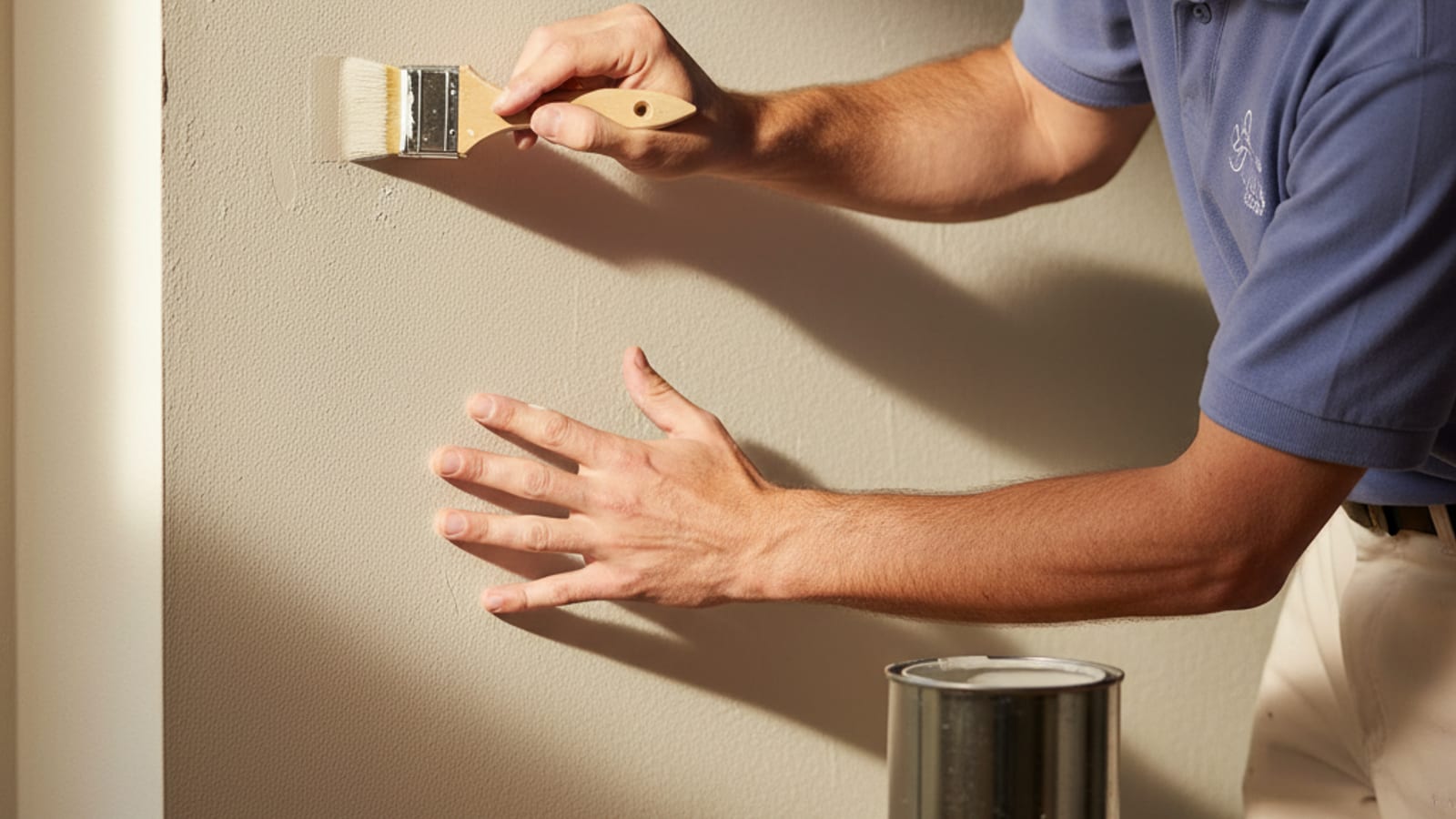
Save the leftover paint. The right touch-up technique keeps the fix from standing out.
What you'll learn
- Why rolling a touch-up almost always stands out (and what to do instead)
- The dab-and-feather technique for blending into existing paint
- When the wall needs a full repaint vs. a touch-up
- How to store leftover paint so it's usable a year later
Step by step
- Clean the scuff or mark with a damp magic eraser, let dry fully.
- Stir the leftover paint thoroughly, paint separates over time.
- Use a small art brush or artist's sponge, not a roller or standard brush.
- Dab (don't stroke) the paint onto the spot, feathering outward.
- Let dry for the leftover paint's stated dry time, check the blend, add a second dab if needed.
Safety note
If the touch-up stands out even after drying, the surrounding paint has aged or faded. A full wall repaint (corner to corner) is the only way to hide an old scuff perfectly.
Rather have a pro handle it?
Licensed painters across San Diego County. Vetted local painters, and you talk to a person when you call.
More guides
Keep learning.
Basics · 4 min watch
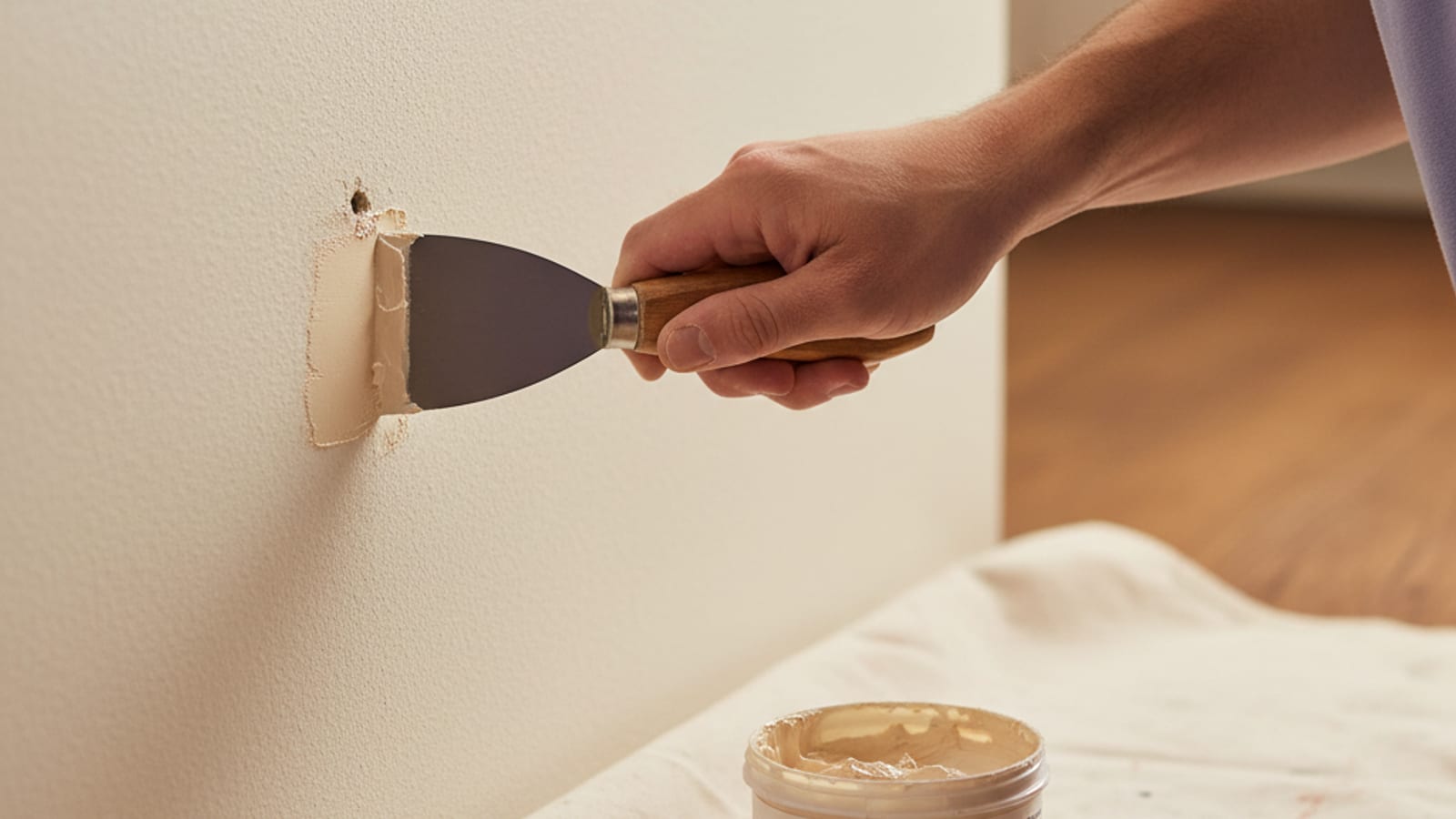
Patch nail holes before paint
The difference between an invisible patch and an obvious one is 90 seconds of extra prep.
Basics · 5 min watch
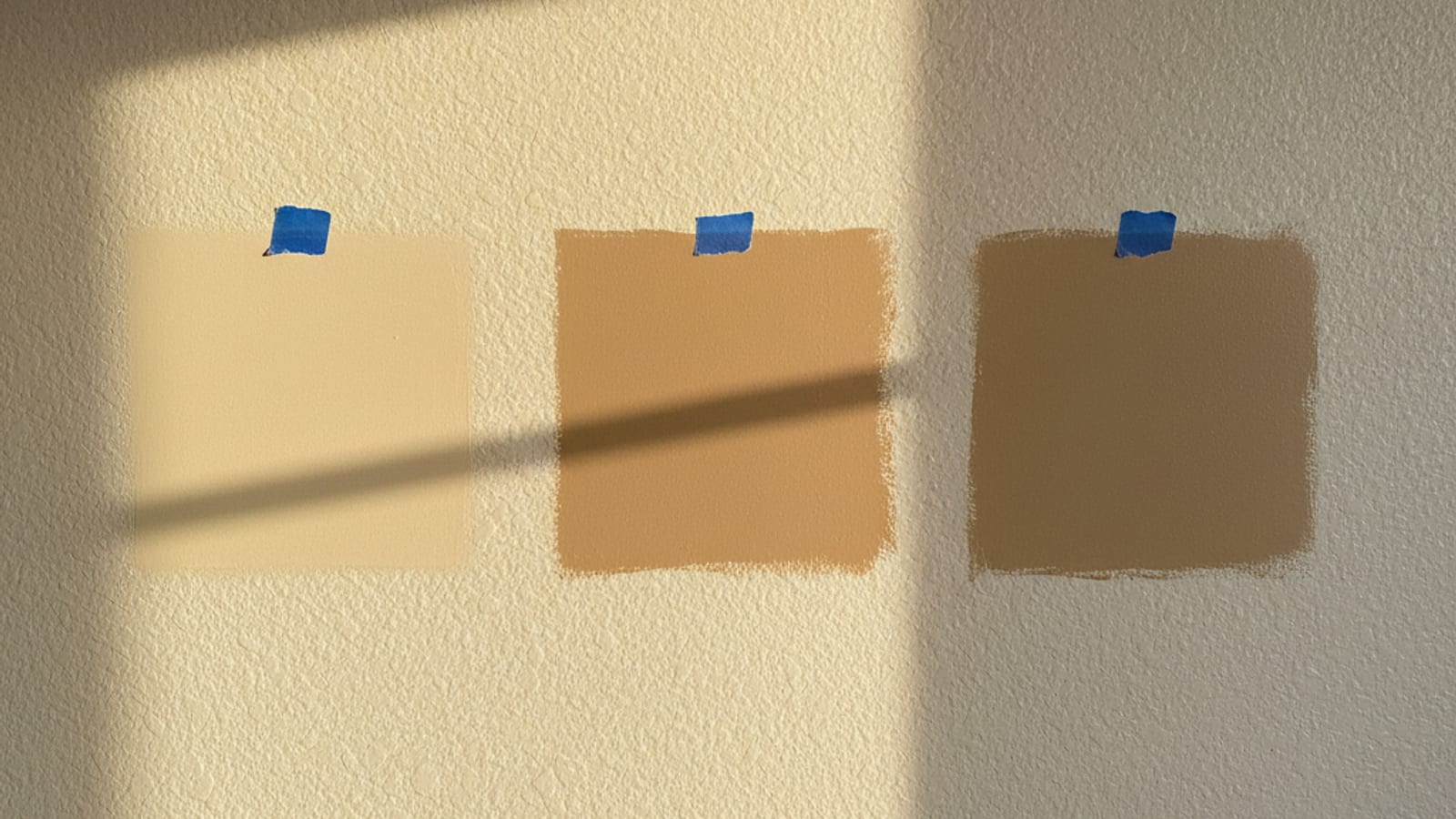
Test paint colors before committing
Paint on a swatch card in a store tells you nothing about how it'll look on your wall.
Maintenance · 4 min watch
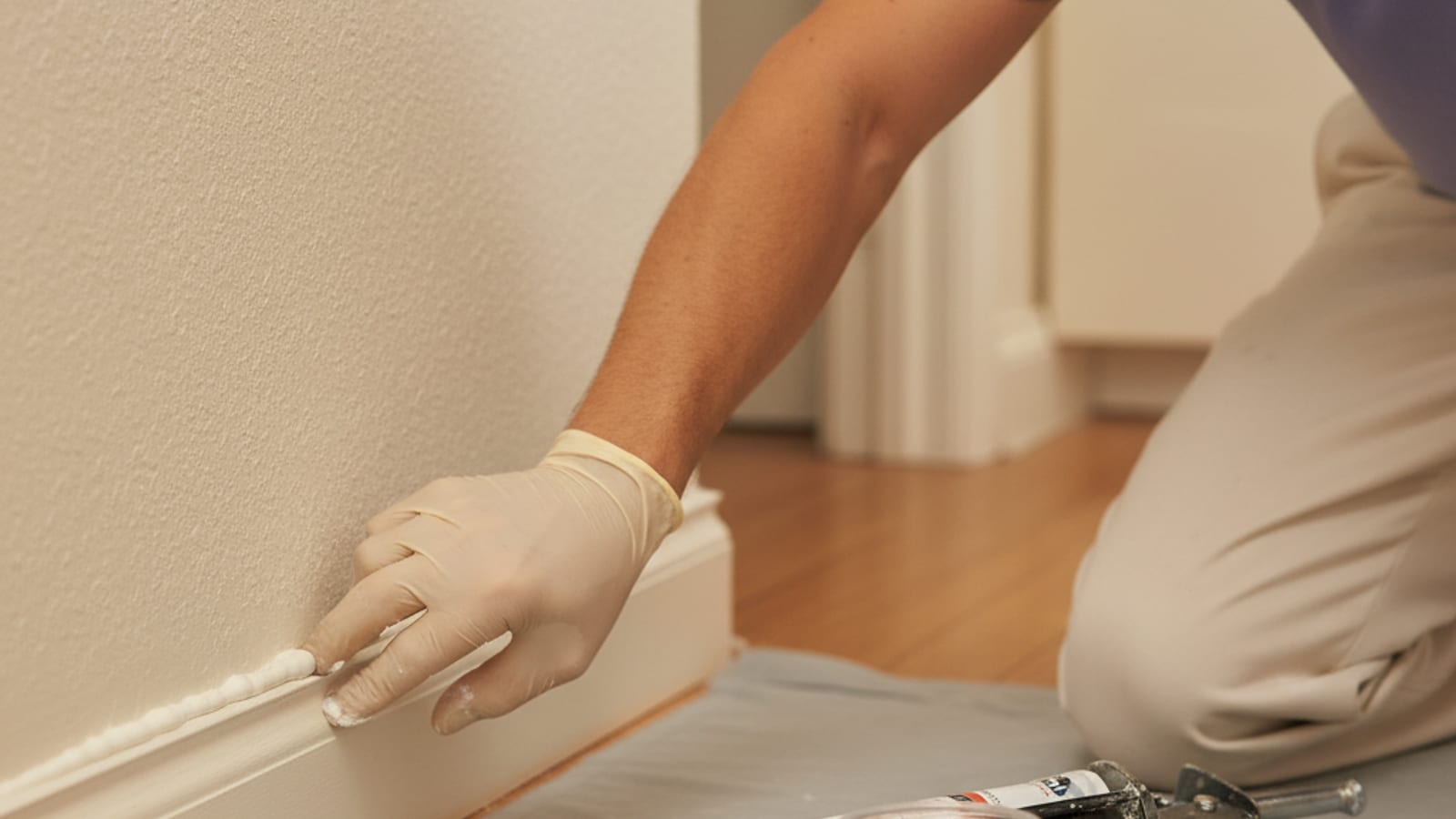
Refresh caulk at baseboards and trim
Cracked caulk lines make the whole room look neglected, 20 minutes of work to fix.