Last updated: May 26, 2026
Stucco painting in Chula Vista, CA
Stucco painting in Chula Vista done for the city the city actually is: older tract stucco with hairline cracks, HOA color rules, and south-and-west walls that bake. Elastomeric or crack-bridging acrylic, full crack repair, flat-rate written quote from the painter.
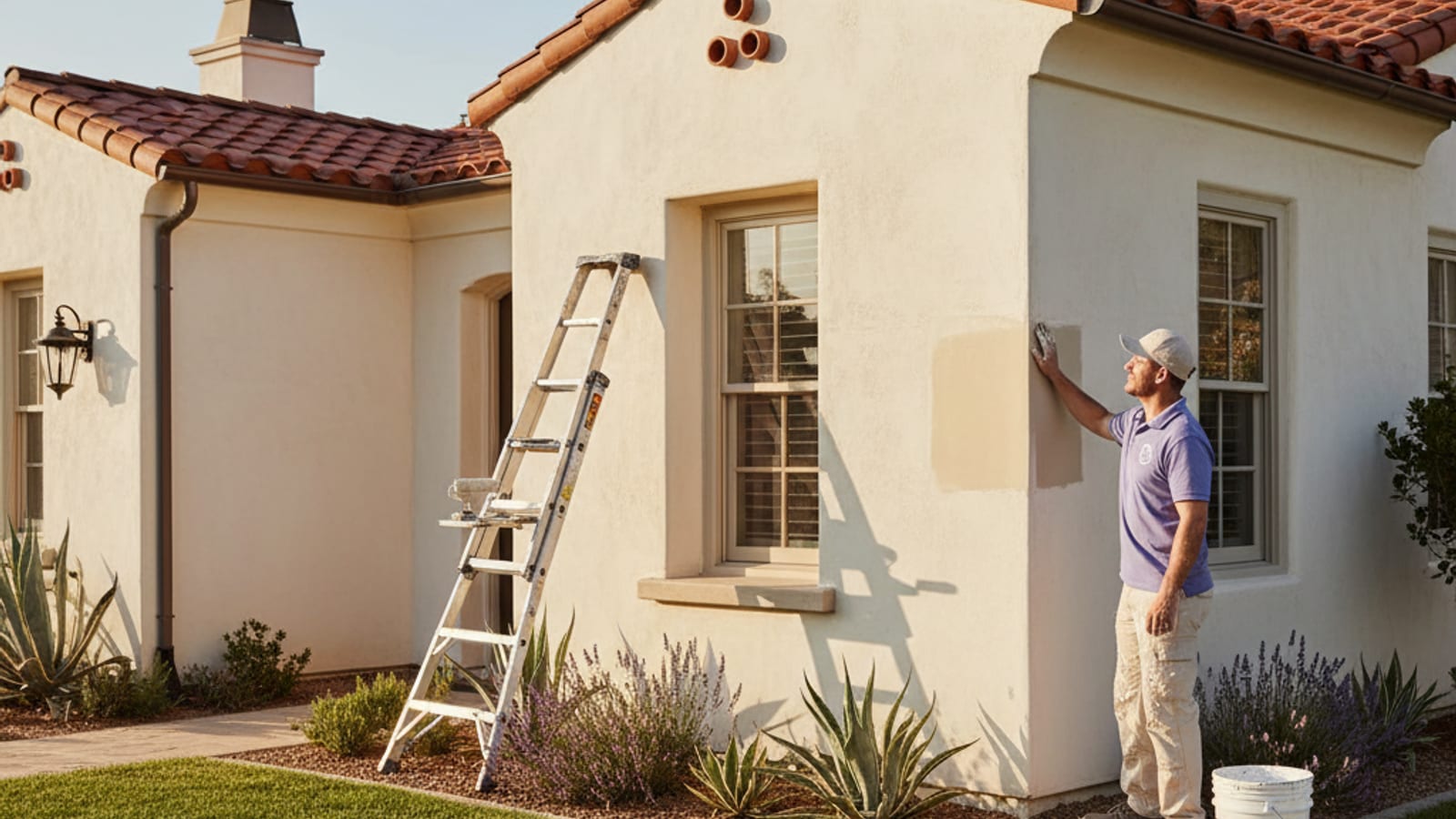
Stucco painting cost in Chula Vista tracks home size, number of stories, and whether the job needs an elastomeric system over standard 100% acrylic. Elastomeric is the right answer on most homes built before 2005. The hairline crack network that develops on Chula Vista tract stucco over time is the single biggest reason most local stucco repaints fail early, and an elastomeric or crack-bridging body coat is what actually holds the line.
Chula Vista has more older tract stucco than almost any other San Diego County city. Eastlake (Greens, Shores, Vistas), Rancho Del Rey, Bonita Long Canyon, Rolling Hills Ranch, Sunbow, and the older streets west of I-805 are mostly one-coat or three-coat stucco from that era. The stucco itself is solid. The crack pattern that develops with daily inland thermal cycling is universal. Painters in our network treat stucco painting in Chula Vista as a crack-bridging job first and a color refresh second.
We work all of Chula Vista: every Eastlake village, all of Otay Ranch from Village 1 through Village 11, Rolling Hills Ranch, Bonita Long Canyon, Sunbow, Rancho Del Rey, the older tracts off Telegraph Canyon Road, and the streets west of I-805 between H Street and Main. Same flat pricing across the city.
What is included in a Chula Vista stucco painting job
Stucco painting is a different animal than wood-trim painting. The prep and crack-repair work is most of the labor, and the body coat is the final step.
- Full pressure-wash of every stucco surface with appropriate PSI to clean without damage
- Detail walk of all elevations to identify and mark every hairline crack
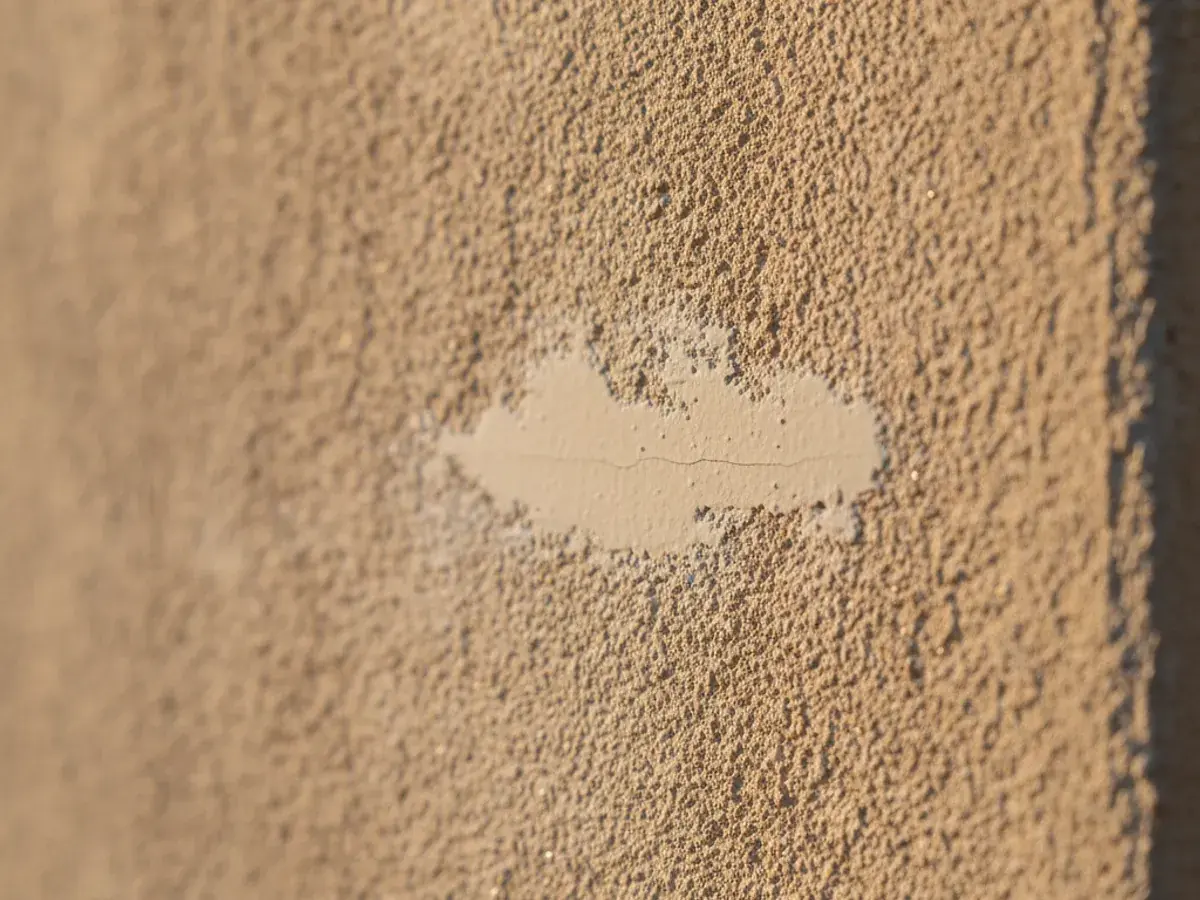
- Fill all hairline cracks with elastomeric crack filler, smoothed flush to the texture
- Open wider cracks (visible at arm length) with a chisel, embed mesh, patch with stucco compound
- Repair any spalling areas (where stucco chunks have broken off) with stucco patch and texture-match
- Caulk every penetration, every transition between stucco and trim, and every seam against window flashing
- Prime any bare stucco patches and any chalking previous-paint areas with the right bonding primer
- Two finish coats of elastomeric or premium 100% acrylic on the full stucco body
- Texture-blend any patched areas so the patch is invisible under the finish coat
- Full cleanup, all overspray off windows, concrete, and adjacent surfaces
- HOA color sample submittal and approval coordination if your community requires it
- Final walk-through before payment
What drives stucco painting cost in Chula Vista
Your painter quotes flat-rate in writing after walking the job in person. No number here is a quote. Trim and fascia are separate line items if scoped.
| Scope | What drives it | Notes |
|---|---|---|
| Single-story stucco, 1,400-1,900 sq ft | Wall area and crack density | Older Eastlake, west-side, smaller Otay plans |
| Single-story stucco, 1,900-2,400 sq ft | Larger wall area and access | Larger Rolling Hills and Otay Ranch single-stories |
| Two-story stucco, 2,200-3,000 sq ft | Wall area and ladder access | Standard Eastlake and Otay Ranch two-story plans |
| Two-story stucco, 3,000-4,200 sq ft | Largest wall area and access | Larger executive homes in Rolling Hills and Bonita |
| Elastomeric system upgrade | Elastomeric material step-up | Right answer on most Chula Vista homes past five years |
| Hairline crack repair only (no body paint) | Crack count and filler labor | Filler in every crack, prime, finish in adjacent body |
| Heavy stucco crack repair | Crack length past hairline | Open, mesh-embed, patch, cure; cracks past hairline |
| Spalling repair per area | Damaged area square footage | Chunks broken off, texture-matched and patched |
| Single elevation only repaint | Wall count and access | Common for sun-faded south or west wall refreshes |
| HOA color submittal coordination | Included | Sample board, paperwork, and submittal on your behalf |
Flat pricing across all Chula Vista neighborhoods. No upcharge for Eastlake, Otay Ranch, Rolling Hills, or any HOA community. Heavy stucco repair (spalling, delamination, structural cracks) is its own line on the quote so the labor is visible, not buried. If a crack opens up a moisture path behind it, the painter stops and shows you with photos before adding any cost.
Crack-fill, elastomeric, or stucco repair first?
Most Chula Vista stucco jobs sort into one of three buckets on the walk-around. Hairline-only crack pattern with a sound previous paint job takes crack-fill plus a high-grade elastomeric body coat. Wider crack pattern with moisture signs needs full stucco repair (open, mesh, patch, cure) before any paint. Spalling stucco where chunks have broken off needs a stucco repair specialist, not a paint patch.
When hairline crack-fill plus elastomeric is the answer
Eastlake homes built decades ago, most Otay Ranch villages, Bonita Long Canyon, Rancho Del Rey, and Sunbow that show only hairline cracks (cracks you have to look closely to see) and have a sound previous paint job are good candidates for crack-fill plus elastomeric. The painters we match fill every visible hairline crack with elastomeric crack filler, prime any bare areas, and apply two coats of elastomeric body. The result holds up longer than standard acrylic on most inland Chula Vista homes.
When you need stucco repair before paint
Cracks visible at arm length, cracks that follow the foundation line with chalky white efflorescence on the face, or cracks at window heads with rust staining (rebar corroding behind the stucco) need real stucco repair before paint. We open the crack with a chisel, embed mesh in the wider sections, fill with stucco patching compound, texture-match to the surrounding wall, and let cure for the full label time before any paint goes up. Heavy repair is its own line on the quote.
Paint over an unrepaired wide crack telegraphs the crack early and lets moisture in behind the paint film. We do not do that.
When spalling needs a stucco specialist
Spalling is when chunks of stucco have broken off and exposed the lath or framing behind. It happens on Chula Vista homes from rebar corrosion (older homes with metal lath where the lath has rusted and expanded), water intrusion behind the stucco that froze or weathered through, or impact damage. Spalling is not a paint patch. We refer to a stucco repair specialist when we find spalling, and painters in our network paint after the repair cures.
When the previous paint is failing in sheets
A previous paint job that is peeling in sheets means moisture got behind the paint film, usually from a roof leak, a failing flashing, a hidden stucco crack, or an irrigation problem soaking the wall. Painting over peeling paint without fixing the moisture source leads to the same failure pattern again. We trace the moisture, fix or refer it, and then paint.
Stucco painting built for Chula Vista neighborhoods
The hairline crack pattern is universal on older Chula Vista tracts
Almost every Chula Vista home built before 2005 develops a hairline crack network across the stucco body over time. The cracks come from daily thermal cycling, ground settling on the southern San Diego clay soil, and minor seismic movement that opens every stucco wall a hair every so often. The cracks themselves are cosmetic and not structural in most cases. The problem is that standard acrylic paint does not bridge them, so the paint film telegraphs every crack soon after repaint.
Elastomeric coatings are formulated specifically to bridge cracks up to 1/16 inch wide. The film is thicker (typically 10 to 12 mils dry instead of the 3 to 4 mils of standard acrylic), more flexible, and bonds tighter across the crack mouth. On a Chula Vista tract home with the typical hairline pattern, elastomeric gives a clean, uniform wall surface that holds up well. Standard acrylic on the same home shows the crack network again much sooner.
Sun exposure on south and west walls
South-facing and west-facing walls in Otay Ranch, Eastlake, and Rolling Hills bake for hours a day in summer. Surface temperatures on those walls can climb well above what most coatings need to cure properly. Painters in our network rotate around the home through the day to keep work on the shaded elevation, start early on south and west walls, and pause finish coats during the hottest part of the afternoon. Pushing through it is how you get paint failure and re-emulsification.
Color fade on south and west walls is also worse than on north and east. We see a lot of Chula Vista jobs where only the sun-hit walls need a refresh well before the rest of the exterior. Those partial repaints are priced by wall count and access.
HOA color rules are part of the job
Most Chula Vista communities past Eastlake Parkway and across Otay Ranch are governed by an HOA with an approved color list. The approval process needs a painted sample board (8 by 10 inch typical) and an architectural review form, and committee review takes time, so the submission should go in before you book the crew. The painter provides the sample board, fills out the architectural review form, and submits it on your behalf at no upcharge. Start date is scheduled around HOA approval so you are not paying a deposit and sitting.
If the home is in a community with a strict color list (most of Eastlake Greens, the Vistas, most of Otay Ranch), we narrow your color options to the approved list on the walk-around so you are not falling in love with a color you cannot have.
Older tract stucco is thinner and more delicate
Homes built before 2000 in Rancho Del Rey, Bonita Long Canyon, older Eastlake, and the streets west of I-805 often have one-coat stucco systems with less mass than the three-coat stucco that came in standard after 2000. One-coat stucco is more flexible, develops cracks faster, and requires gentler pressure-wash settings (1,200 to 1,800 PSI maximum) than newer three-coat stucco. The painters we match adjust the wash settings to the stucco system on the walk-around and explain why before any equipment touches the house.
Chula Vista stucco painting questions
How much does stucco painting cost in Chula Vista?
It depends on home size, number of stories, and whether the job needs an elastomeric system. Heavy crack repair is its own line on the quote so the labor is visible.
Do I need elastomeric on my Chula Vista stucco?
On most homes built before 2005, yes. The hairline crack network develops over time and standard acrylic telegraphs every crack soon after repaint. Elastomeric bridges those cracks and holds the wall clean much longer.
What does hairline crack repair actually involve?
Painters in our network walk every elevation marking each crack, then fill each one with elastomeric crack filler smoothed flush to the texture. Wider cracks (visible at arm length) get opened with a chisel, mesh-embedded on the larger ones, patched with stucco compound, and cured before paint. Then the body coat goes on.
How long does stucco painting take in Chula Vista?
Timing scales with home size, story count, and crack repair scope. The painters we match rotate around the home through the day to stay on shaded walls when summer surface temperatures push past the paint spec.
How long should a stucco paint job last in Chula Vista?
Elastomeric holds up longer than standard acrylic against Chula Vista's crack patterns and sun exposure. South and west walls fade and chalk first because of direct sun, and partial repaints on just those walls well before the rest of the exterior are common.
What if you find spalling or wide cracks during the walk-around?
Spalling is referred to a stucco repair specialist before paint. Wider cracks (open at arm length) are opened, mesh-embedded, patched, cured, and then painted. Both get their own line on the quote so the labor is clearly priced, not buried.
Will pressure washing damage older Chula Vista stucco?
Not if calibrated. We use 1,200 to 1,800 PSI on one-coat stucco (older homes in Rancho Del Rey, west of I-805) and 1,500 to 2,500 PSI on three-coat stucco (newer Otay and Eastlake). Wide fan tip, 18 to 24 inches off the surface, no spraying up under siding or directly at windows.
Do you handle the HOA color submittal in Eastlake or Otay Ranch?
Yes. The painter provides the painted sample board, fills out the architectural review form with you, and submits on your behalf at no upcharge. HOA review takes time, so painters in our network start the submission before booking the crew.
Can you do a single-elevation repaint on a sun-faded wall?
Yes. Single-elevation repaints are common in Chula Vista for sun-faded south or west walls that need a refresh before the rest of the exterior does. Pricing is scoped by wall count and access. Color match is on us using saved paint store records or color matching from a hidden chip.
What paint brands do you use on Chula Vista stucco?
Sherwin-Williams Loxon XP elastomeric on most jobs, SuperPaint 100% acrylic on newer homes that do not need elastomeric. Dunn-Edwards Evershield is a comparable alternative if your HOA list specifies Dunn-Edwards. We tell you in writing which product is going on the home before you sign.
Is there a workmanship guarantee?
Ask the matched contractor whether they offer a written warranty on prep and application, and get those terms before you sign. Ask your matched painter for their specific terms before you sign the quote.
How fast can you start in Chula Vista?
The painter schedules the walk-around first, then confirms a start date with you in writing. Non-HOA jobs typically move faster; HOA jobs wait on architectural review approval first, so start that submission early.
Do you charge extra to come to Eastlake or Bonita?
No. Pricing is flat across all of Chula Vista and San Diego County. No upcharge for any neighborhood or HOA community.
Where we work in Chula Vista
We cover Chula Vista and the surrounding South Bay communities, matched to painters who cover most stucco painting jobs.
Need stucco painting in Chula Vista?
One call and we match you with a vetted local painter. You hire and pay the painter directly.