Last updated: May 26, 2026
Stucco Painting in Oceanside
Coastal salt air breaks down standard stucco paint faster than most homeowners expect. Oceanside stucco needs the right coating system, not just a fresh coat of the same thing.
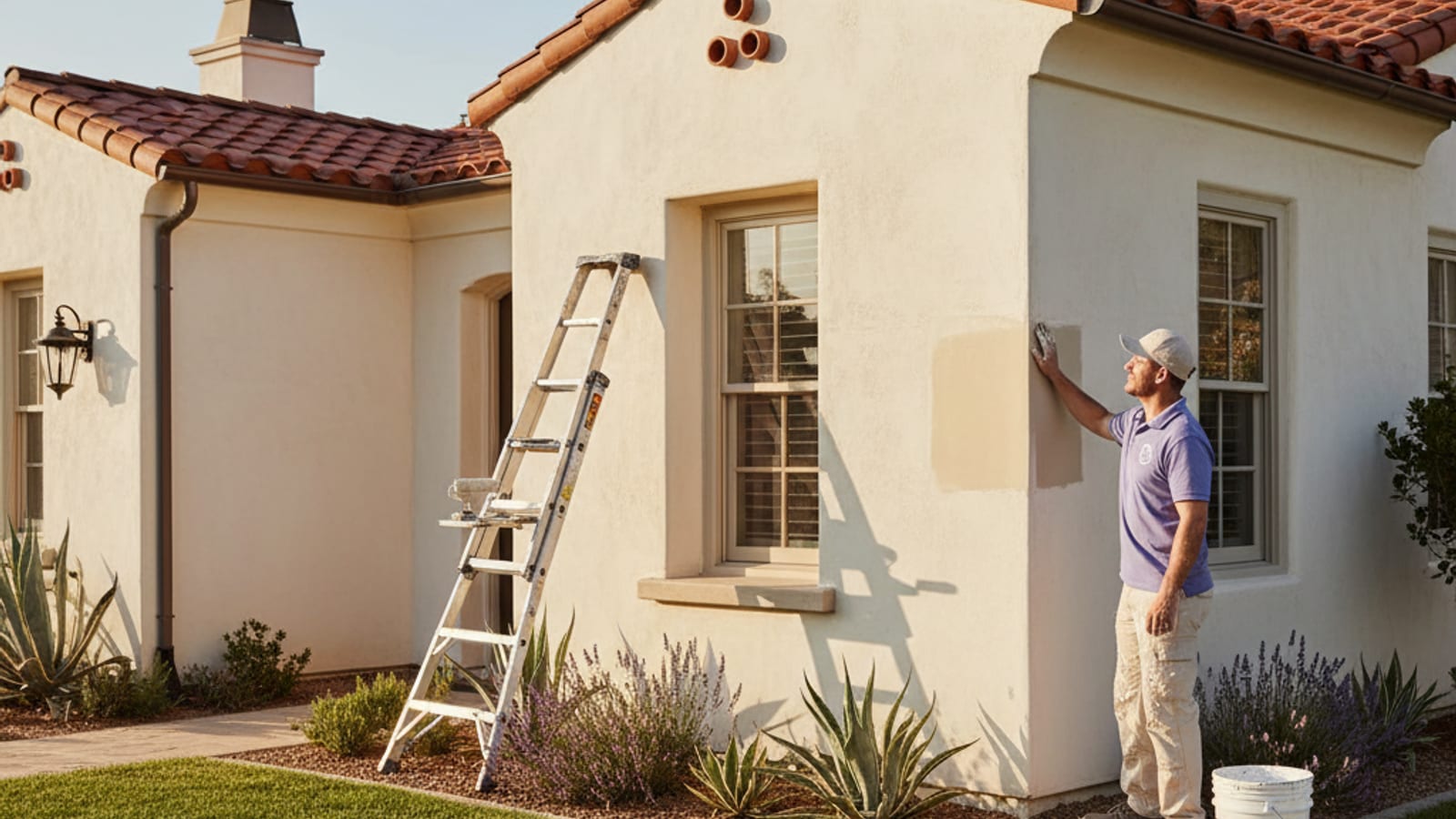
Oceanside's salt air is the defining factor for stucco painting decisions here. Salt deposits from the ocean air penetrate standard paint films over time, causing chalking, peeling, and surface breakdown at a rate that would not occur in an inland environment. The closer a building sits to the harbor or the beach, the more aggressive this process is and the more important product selection becomes.
The right coating for most Oceanside stucco is an elastomeric system: a thick, flexible paint film that bridges hairline cracks as they form, resists moisture penetration, and holds up to salt air significantly better than standard exterior latex. On stucco that already shows cracking, elastomeric coating is not optional. It is the correct approach.
Paint Pros SD connects Oceanside homeowners and property owners with licensed, independent stucco painters who understand the coastal environment, use the right products, and complete proper surface prep before any coating goes on.
What Stucco Painting in Oceanside Covers
Stucco painting is not just rolling on exterior paint. On coastal properties, it includes surface assessment, prep work, and the correct coating selection for the specific exposure level.
- Elastomeric coating application for cracking or coastal-exposed stucco surfaces
- Efflorescence treatment: removing salt deposits and mineral staining before coating
- Mildew removal and primer treatment on north-facing and shaded stucco walls
- Crack repair by the linear foot before coating, with compatible sealant systems
- Full surface cleaning and prep including pressure washing and etching where needed
- Primer selection matched to existing stucco condition and chosen topcoat system
- Two-coat elastomeric systems for maximum coastal durability
- Standard exterior repaints for inland Oceanside areas with lower salt exposure
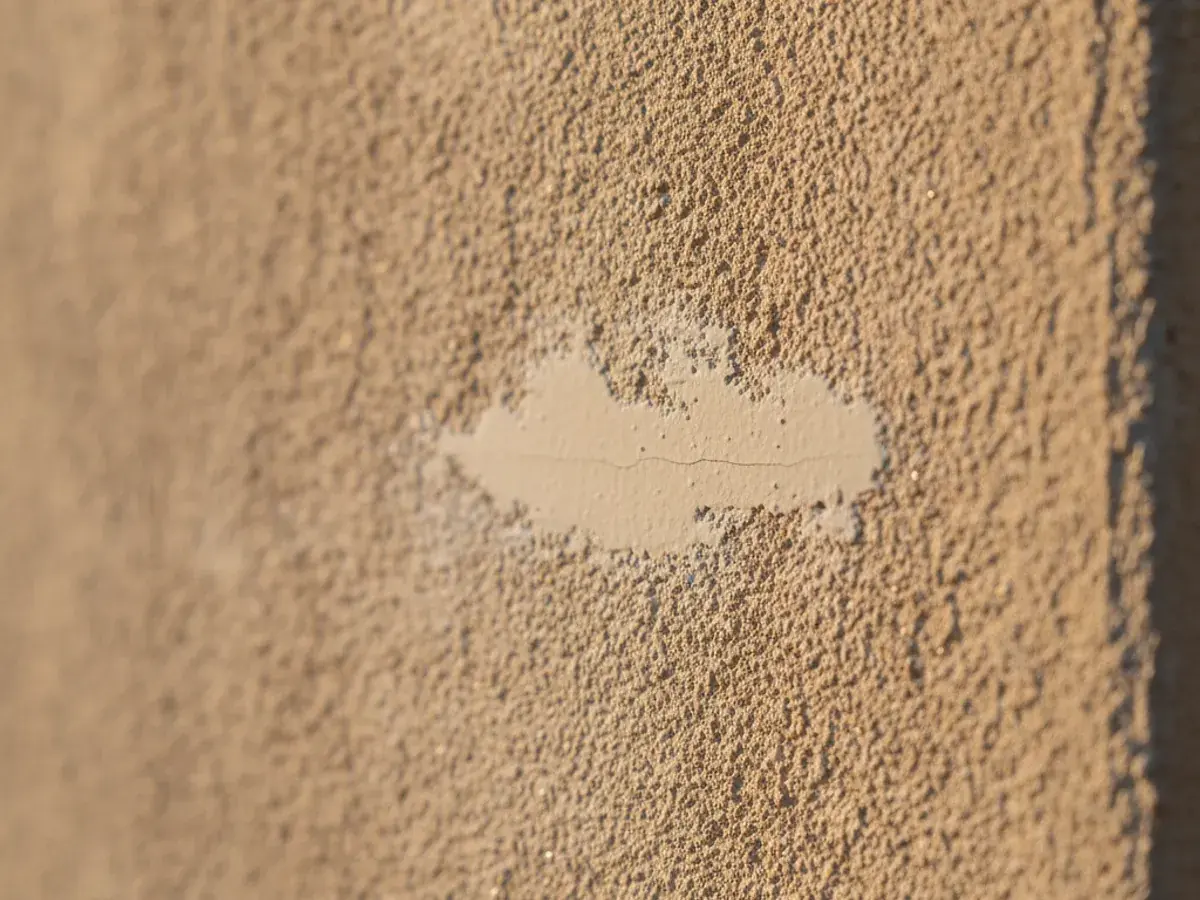
What Drives Stucco Painting Cost in Oceanside
Your matched contractor quotes flat-rate in writing after walking the job in person. Prep requirements and elastomeric product specs are what move the number.
| Scope | What drives it | Notes |
|---|---|---|
| Stucco repaint (per sq ft) | Priced by surface square footage | Full exterior, prep included, standard or elastomeric |
| Standard home stucco repaint | Home size and exterior scope | Typical single-family home, full exterior scope |
| Elastomeric upcharge (per sq ft) | Elastomeric material step-up | Added to base per-sq-ft rate for elastomeric system |
| Crack repair (per linear foot) | Crack width, depth, repair method | Depends on crack width, depth, and repair method |
| Full home with elastomeric system | Full coastal prep and material system | Recommended for harbor-adjacent and coastal properties |
Harbor-area and beachfront properties typically need more prep and salt-air product treatment, which shows up in the quote. Call (858) 400-6422 for a site-specific estimate.
When to Repaint vs. When Stucco Needs More Than Paint
Cases where repainting is the right answer
If your stucco is structurally sound but the paint has chalked, faded, or developed surface cracking without reaching the substrate, repainting with a quality elastomeric system is the correct response. This is the most common scenario for Oceanside homes that have been maintained reasonably well but are past their repaint window.
Hairline cracks in the paint film, moderate chalking on south- and west-facing walls, and early mildew on north-facing surfaces are all surface conditions that a proper repaint addresses. Waiting longer turns these manageable conditions into substrate problems that cost significantly more to fix.
When stucco repair must come before painting
Stucco that has cracked deeply enough to reach the lath, is actively separating from the wall, or shows areas of hollow-sounding material when tapped needs stucco repair before any coating system. Painting over compromised stucco does not fix the structural problem and will fail prematurely.
Water intrusion behind stucco is a separate problem from surface coating failure. Signs include interior water staining, rust streaking from embedded metal, or stucco that feels soft or crumbles when pressed. These require a stucco contractor before the painter arrives. Paint Pros SD can connect you with the right resource for stucco repair work if that is what the assessment reveals.
Efflorescence: the white staining problem
Efflorescence is the white, chalky mineral deposit that appears on stucco and masonry when water carries salts to the surface. In Oceanside, the salt in that water often includes ocean-air salt in addition to minerals leaching from the stucco itself. Painting over efflorescence without treating it first causes the new paint to fail from the same mechanism.
Proper efflorescence treatment involves mechanical removal of the deposit, chemical treatment to neutralize the salt, and in some cases a specialized primer designed to block further migration. This adds to prep cost but is required for any repaint to last its expected life.
Stucco Painting Across Oceanside's Different Zones
Harbor-area buildings: highest salt exposure
Properties within a half-mile of the Oceanside Harbor face the most aggressive salt-air environment in the city. Standard exterior paints fail noticeably faster here. Elastomeric coating is the expected standard, not an upgrade. Repaint cycles in this zone run shorter than the rest of the city, even with quality coatings.
Harbor-area stucco also tends to accumulate salt deposits between repaints, which must be washed and treated before any new coating. Contractors who work this area regularly include thorough salt-removal steps in their prep process without being asked.
Coastal neighborhoods: marine layer exposure
Homes in the residential areas west of I-5 experience the marine layer year-round. This sustained moisture exposure encourages mildew growth on north-facing and shaded stucco surfaces. Mildew must be killed and the surface treated before painting, or the mildew will push through the new paint film within one or two seasons.
The marine layer also keeps stucco surfaces damp enough to promote efflorescence in older homes with aging stucco. A proper prep scope in these neighborhoods includes inspection for both mildew and mineral staining before any coating work begins.
Rancho del Oro and inland Oceanside communities
Inland Oceanside neighborhoods like Rancho del Oro sit far enough from the coast that direct salt air is less of a factor, though the marine layer still reaches them most mornings. The repaint cycle here runs meaningfully longer than harbor-adjacent properties on a quality exterior system.
Elastomeric coating is still a reasonable choice for cracking stucco in these areas, but standard high-quality exterior latex is acceptable for stucco in good condition. The decision comes down to the surface condition and how long the homeowner wants to go before the next repaint.
Oceanside stucco painting questions
Does all Oceanside stucco need elastomeric coating?
Not all of it. Harbor-area and beachfront properties benefit most from elastomeric systems, and it is the recommended approach for any stucco showing cracking. For inland Oceanside homes with stucco in good condition, a quality standard exterior system is acceptable and less expensive. A site assessment will tell you which approach fits your specific home.
What is efflorescence and how is it treated?
Efflorescence is white mineral staining that appears on stucco when water carries dissolved salts to the surface. In Oceanside, this often includes ocean-air salt deposits in addition to internal minerals. Treatment requires mechanical removal of the deposit, chemical neutralization, and a blocking primer before topcoat. Painting over it without treatment causes early paint failure.
How often does coastal stucco need repainting in Oceanside?
Harbor-adjacent and beachfront properties need repaints most often, even with quality products. Homes in the marine-layer zone west of I-5 run longer between repaints, and inland Oceanside communities stretch longest under good conditions. Actual timing depends on product quality, application quality, and surface exposure.
Can mildew on stucco be painted over?
No. Painting over active mildew without treatment is one of the most common causes of premature paint failure in coastal areas. The mildew must be killed with an appropriate biocide, the surface must dry completely, and a mildew-resistant primer must be applied before topcoat. Skipping this step means the mildew returns through the new paint within one or two seasons.
What is the difference between crack repair and repainting with elastomeric?
Crack repair fills individual cracks with sealant or patching compound before painting. Elastomeric coating is a thick, flexible paint system that bridges hairline cracks as the stucco moves seasonally. The two are complementary: larger cracks get repaired first, then the elastomeric coating is applied to handle ongoing minor movement. Elastomeric alone does not fill significant cracks.
Do the painters carry an active California contractor license?
Yes. Paint Pros SD matches customers with licensed, independent local painters. Confirm the active license classification for your exact scope on CSLB before you hire.
Where we work in Oceanside
We cover Oceanside and the surrounding Coastal communities, matched to painters who cover most stucco painting jobs.
Need stucco painting in Oceanside?
One call and we match you with a vetted local painter. You hire and pay the painter directly.