The best time to paint a house exterior in San Diego is May through October, when temperatures hold between 50°F and 90°F and humidity stays predictably low. Coastal areas need one extra step: start after 10 AM so the marine layer burns off and surfaces dry completely before paint touches them. For the full project workflow, see our exterior painting guide for San Diego, and for repaint timing on stucco specifically, our explainer on how often to repaint stucco in San Diego.
San Diego’s painting season is longer than you think
Many homeowners assume San Diego’s perpetually pleasant weather means you can paint any day of the year. While our climate is incredibly forgiving compared to other regions, it is not without its nuances. The truth is, San Diego offers a remarkably long painting season, allowing for significant flexibility. However, simply having “nice” weather isn’t enough for an optimal paint job. We need specific environmental factors that allow the paint to adhere properly, dry thoroughly, and cure completely for maximum durability and aesthetic appeal.
Ignoring these conditions can lead to issues like premature peeling, blistering, cracking, or an uneven finish. These problems diminish your home’s appearance and reduce the protective barrier paint provides against moisture and UV damage. Understanding the subtleties of our local weather patterns, from coastal fog to inland heat, empowers you to make an informed decision alongside your painting professional. This careful consideration means your home will look its best for years, protected against the elements and enhancing its curb appeal. A professional painter knows exactly how to navigate these local conditions, ensuring a flawless application. It is about embracing the right mix of temperature and moisture for paint to bond effectively and achieve its full life expectancy, maximizing your investment in your home’s exterior painting.
Why May–October is the sweet spot
The period from May through October emerges as the undisputed sweet spot for exterior painting in San Diego. During these months, several key climatic factors align perfectly for paint application and curing. We typically experience consistently warm, but not excessively hot, temperatures. This stability minimizes drastic temperature swings that can stress drying paint films. Humidity levels also tend to be lower and more predictable. This combination creates an ideal environment for paint to dry at a steady rate, promoting optimal adhesion and a strong, durable finish.
The longer daylight hours provide painters with extended working windows, helping projects move more efficiently. Less frequent rainfall is another major advantage; unexpected showers can halt a project or cause streaks. In this sweet spot, the likelihood of precipitation is significantly reduced, ensuring uninterrupted progress and a smoother application. This consistent weather is important for both water-based acrylics and oil-based paints to form a durable, long-lasting film. By choosing these months, you are essentially setting your home’s new paint job up for the greatest success and longevity.
How marine layer mornings change the schedule
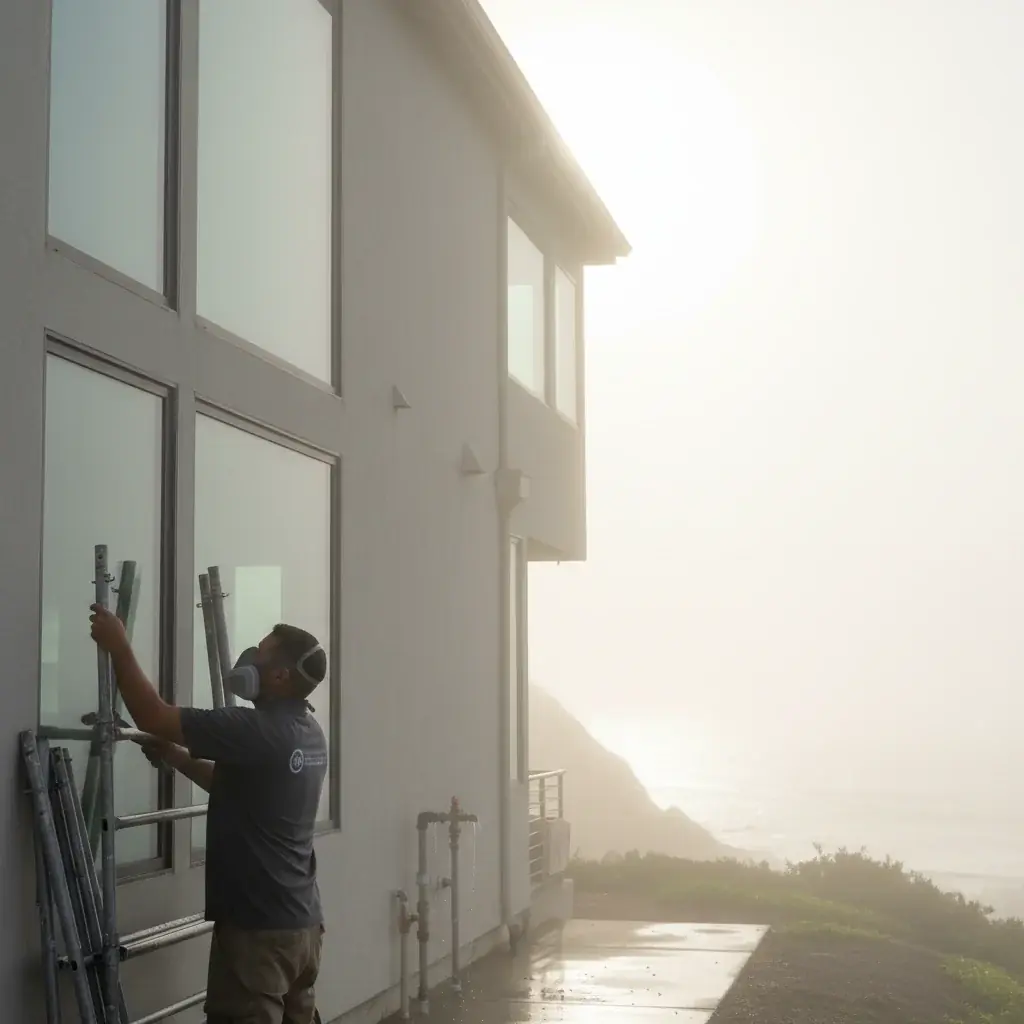
The San Diego marine layer is a defining atmospheric feature, especially along the coast and in many inland valleys. While it brings pleasant, cooler mornings, it introduces a unique challenge for exterior painting. The marine layer is a low-lying cloud bank or fog that rolls in overnight, bringing elevated humidity and condensation. Surfaces, particularly stucco and wood, can remain damp well into the morning. Applying paint to a damp surface is a cardinal sin; it significantly compromises adhesion, leading to bubbling, peeling, and a drastically reduced lifespan.
Because of this, professional painters in coastal San Diego often adapt their daily schedules. Instead of an early 7 AM start, crews might begin around 10 AM or later, patiently waiting for the sun to burn off the marine layer and dry all exterior surfaces completely. This waiting period is critical. Painters use moisture meters to confirm acceptable humidity levels before any primer or paint touches them. While this might seem like a delay, it is a non-negotiable step to ensure quality and durability. Understanding this local phenomenon helps set realistic expectations for daily progress, knowing the wait is essential for a superior, long-lasting finish.
Temperature and humidity rules paint actually needs
Beyond general “nice” weather, paint products have very specific environmental requirements for optimal application and curing. For most modern acrylic latex exterior paints, the ideal temperature range is typically between 50°F and 90°F (10°C and 32°C). Applying paint below 50°F can slow drying times dramatically, preventing proper film formation and potentially leading to poor adhesion. Painting above 90°F can cause paint to dry too quickly, resulting in brush marks, poor leveling, and increased risk of cracking or premature fading.
Humidity also plays a critical role, with an ideal relative humidity range of typically 40% to 70%. High humidity, often during marine layer events, significantly extends drying and curing times. This prolonged drying leaves paint vulnerable to dust, insects, and mildew. Extremely low humidity, sometimes with Santa Ana winds, makes paint dry too fast, causing workability issues and improper film formation. Reputable manufacturers like Dunn-Edwards and Sherwin-Williams publish detailed technical data sheets outlining these thresholds. These specifications are important guidelines for maximizing paint performance and longevity. Most acrylic paints require 2-4 hours before recoating, but full cure can take 7 to 30 days. Adhering to these rules is paramount for a professional finish that stands the test of time, which is why it’s worth trusting an experienced painter matched through Paint Pros San Diego for your exterior painting project.
What to avoid: Santa Ana winds and June gloom mistakes
While San Diego generally boasts an enviable climate, certain weather patterns pose significant challenges for exterior painting, making careful timing essential.
Santa Ana winds
These hot, dry winds, common in fall and winter but occasional in other seasons, are a painter’s nemesis. The extremely low humidity and high temperatures they usher in cause paint to flash dry too quickly, making it difficult to achieve a smooth, even application. This rapid drying can lead to visible brush or roller marks, poor adhesion, and uneven curing. Santa Anas also carry airborne dust and debris, which can easily embed in wet paint, marring the finish. Painters always check wind forecasts carefully and postpone painting if these conditions are expected, especially when performing critical exterior paint prep on stucco which needs clean surfaces. If your home has stucco siding, see our stucco painting service page for prep requirements specific to that surface.
June gloom mistakes
The “June Gloom” phenomenon, with persistent low clouds and cooler temperatures throughout May and June, presents a different set of challenges. This extended marine layer means higher humidity and damp surfaces that can linger all day. Attempting to paint during prolonged June Gloom can lead to:
- Slow Drying: Paint takes much longer to dry, extending project timelines and leaving the surface vulnerable.
- Poor Adhesion: If surfaces are not completely dry, paint will not bond correctly, leading to peeling.
- Mildew Risk: Persistent dampness and slow curing can create conditions ripe for mildew growth, especially on north-facing walls or shaded areas.
Experienced professionals know when to pause or adjust schedules to avoid these pitfalls, ensuring your paint job is applied under the best possible conditions for lasting quality.
Booking lead times in peak season
Given the optimal painting conditions during San Diego’s sweet spot of May through October, it is no surprise that this period is also the busiest for professional painting contractors. High demand for quality exterior painting services means reputable local painters often book out weeks, if not months, in advance. This reflects the meticulous planning and preparation required for an excellent paint job, from consultation and color selection to surface preparation and final application. To avoid disappointment and ensure your project can be completed within your desired timeframe, we highly recommend planning ahead. If you are considering an exterior refresh, especially for late spring, summer, or early fall completion, contact us and we’ll connect you with a vetted painter for an estimate as early as possible. Booking in advance allows ample time for detailed color consultations, thorough surface inspections, and securing your preferred start date. It also provides peace of mind, knowing your project is on the calendar with a trusted, properly licensed contractor. Before you book, verify any contractor’s license at the CSLB website. Planning ahead for your exterior painting project ensures you get the best possible service when San Diego’s weather is prime for a flawless finish.
Frequently asked questions
What months are best to paint a house exterior in San Diego?
May through October is the sweet spot for exterior painting in San Diego. These months bring consistently warm temperatures, lower humidity, and minimal rain, giving paint the stable conditions it needs to adhere and cure properly.
Can I paint my home exterior in winter in San Diego?
You can, but it takes more planning. Winter months bring the June Gloom overlap in late fall and more frequent marine layer mornings. Temperatures rarely drop below 50°F inland, so winter painting is possible if you monitor humidity and wait for surfaces to dry. May through October remains more reliable.
How long does exterior paint take to cure in San Diego?
Most acrylic latex exterior paints are dry to the touch within 2 to 4 hours under San Diego conditions. Full cure, when the film reaches maximum hardness and durability, takes 7 to 30 days depending on temperature and humidity. Avoid washing or scrubbing the surface during that window.
Why do San Diego painters start later in the morning?
Coastal San Diego’s marine layer leaves surfaces damp until the fog burns off, often around 10 AM or later. Painting over a damp surface causes bubbling and peeling, so professional crews wait and use moisture meters to confirm surfaces are ready before starting.
How does the Santa Ana winds affect an exterior paint job?
Santa Ana conditions push humidity extremely low and temperatures high, causing paint to flash-dry too fast. That leads to brush marks, poor adhesion, and debris embedded in the wet film. Reputable painters postpone work when Santa Anas are in the forecast.
How far in advance should I book exterior painting in San Diego?
During peak season (May through October), quality contractors book out weeks to months ahead. Contact a painter as early as possible, especially if you want a spring or summer project date. Early booking also gives time for color consultation and surface inspection.
When to call us
Deciding on the best time to paint your house exterior in San Diego involves balancing ideal weather conditions with availability. When you’re ready, explore our painting services in San Diego or call (858) 400-6422 to get matched with a vetted painter who can assess your home’s specific needs and schedule around the right conditions.